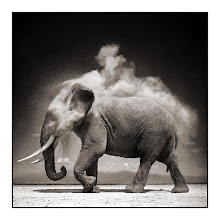
I wonder sometimes,
How it feels to receive.
I see those eyes when I dream,
Finding me.
I hear your whispers,
Were they lies?
Was I daft to believe you wanted me,
Somewhere on this road?
The trust I built for my shattered womb,
Have me, take me,
Just please don't defile me.
For what meant everything to me, meant nothing to you,
Was in familiar vain the most unkindest cut.
A moment was all you needed.
Did you even see me there? Did you know my name? Did you listen?
I needed a century.
One chance,
To piece myself together
From the fall of every tower I've ever built in my childish heart.
But you didn't have that time to give.
Your soul saw the door,
Your body left, with no feeling.
I will drift now,
Fly, broken winged, back to my cage,
Where I will hide apprehensively from the souls to come.
The disturbed February sand lies empty with the knowledge,
There was never love for me there,
Only a search,
For life.
I hope you found it.
I hope you live forever.
With the sad, broken piece of soul I gave you.
Forgive me, my dear, for it was all I had left to give,
For that is the price I've humiliatingly paid,
For living without the eye of a real love to quench my thirst
And clot these wounds.
Eternally gazing upon the nurtured souls,
I am nothing to this world but abused prisoner
Of bones and beauty.
I wrapped that piece neatly,
In a frayed parcel and willingly left it at your door.
I hope it brings you good.
I hope you let it shine like you had once before.
If you asked now for the world,
My love, I'd still give you it entire,
I'd ask of you nothing in return.
For nothing shall ever pass in these eyes,
They hold wisdom above years and an ocean of tears,
I've still to share and yet to cry.
I'll be waiting to the end for you,
Bury my love, as it never lies.
Until my soul finally whithers,
And with it, passion dies.
Monday, July 12, 2010

Tuesday, July 6, 2010
Within You Without You
"We were talking about the space between us all
And the people who hide themselves behind a wall of illusion
Never glimpse the truth then it's far too late, when they pass away.
We were talking about the love we all could share when we find it
To try our best to hold it there with our love
With our love we could save the world if they only knew.
Try to realize it's all within yourself
No one else can make you change
And to see you're really only very small,
And life flows on within you and without you.
We were talking about the love that's gone so cold and the people,
Who gain the world and lose their soul,
They don't know they can't see. Are you one of them?
When you've seen beyond yourself then you may find peace of mind,
is waiting there
And the time will come when you see
We're all one, and life flows on within you and without you."
George Harrison
And the people who hide themselves behind a wall of illusion
Never glimpse the truth then it's far too late, when they pass away.
We were talking about the love we all could share when we find it
To try our best to hold it there with our love
With our love we could save the world if they only knew.
Try to realize it's all within yourself
No one else can make you change
And to see you're really only very small,
And life flows on within you and without you.
We were talking about the love that's gone so cold and the people,
Who gain the world and lose their soul,
They don't know they can't see. Are you one of them?
When you've seen beyond yourself then you may find peace of mind,
is waiting there
And the time will come when you see
We're all one, and life flows on within you and without you."
George Harrison
Tuesday, June 29, 2010
The Wake
I never lack the courage of my conviction,
I, in turn, dare to dream.
This place, this bed with no blankets,
This house with no roof,
Stands as a breathing reminder of the person I'll become.
I have love, but no love.
I have a mirror, but no reflection.
I have a heart, but no organs.
I am human, whose clothing hangs,
As a veil o'er a body,
Given a taste, yet scolded never to swallow.
But even in the wake,
Drops of dew settle on grass,
I close my eyes, and drift to sleep.
I, in turn, dare to dream.
This place, this bed with no blankets,
This house with no roof,
Stands as a breathing reminder of the person I'll become.
I have love, but no love.
I have a mirror, but no reflection.
I have a heart, but no organs.
I am human, whose clothing hangs,
As a veil o'er a body,
Given a taste, yet scolded never to swallow.
But even in the wake,
Drops of dew settle on grass,
I close my eyes, and drift to sleep.
Monday, June 28, 2010
Saturday, June 26, 2010
Breathless
Enough for one more breathe now.
That smell just lingers, just sits there.
One more, one more,
Hold on to it, don't let it fade.
Remember, remember.
This body, this delicate cage,
These rules, these ethics, these morals.
They preach as if they knew,
They knew not the restrictions of lacking restraint.
They knew only good and only bad.
Look once more, once more,
Upon eyes, never evergreen,
Always looking, never seeing.
No tears, no tears,
Swallow pain, speechless, let it age.
Let it fester, let it grow, but don't let it control.
Feel, feel,
That soul, that power, that privilege, that freedom untold.
Seek the key but don't kill the bearer.
Too close, too close,
Pull away, but not too far.
Listen, listen,
Hear a sign, a clue, that you're still here.
Hope, hope,
It won't fade, grasp it, hold it, don't let it disappear.
Please, don't let it disappear,
Let it be real, let it be real.
Search, search,
Find the shattered pieces scattered in the dirt.
Nail and hammer it,
Watch it crack at the center,
Watch it fall.
Gone, gone forever.
One moment, one glance, one chance, one breathe.
Time for one more breathe now,
Smell it, taste it, feel it.
Close your eyes,
Sleep now, sleep,
Forever by the sea,
Forever in a dream.
That smell just lingers, just sits there.
One more, one more,
Hold on to it, don't let it fade.
Remember, remember.
This body, this delicate cage,
These rules, these ethics, these morals.
They preach as if they knew,
They knew not the restrictions of lacking restraint.
They knew only good and only bad.
Look once more, once more,
Upon eyes, never evergreen,
Always looking, never seeing.
No tears, no tears,
Swallow pain, speechless, let it age.
Let it fester, let it grow, but don't let it control.
Feel, feel,
That soul, that power, that privilege, that freedom untold.
Seek the key but don't kill the bearer.
Too close, too close,
Pull away, but not too far.
Listen, listen,
Hear a sign, a clue, that you're still here.
Hope, hope,
It won't fade, grasp it, hold it, don't let it disappear.
Please, don't let it disappear,
Let it be real, let it be real.
Search, search,
Find the shattered pieces scattered in the dirt.
Nail and hammer it,
Watch it crack at the center,
Watch it fall.
Gone, gone forever.
One moment, one glance, one chance, one breathe.
Time for one more breathe now,
Smell it, taste it, feel it.
Close your eyes,
Sleep now, sleep,
Forever by the sea,
Forever in a dream.
Wednesday, June 23, 2010
The Art of Filmmaking in this Brave New World
Recently, I've picked up on a theme in award-winning motion pictures which, although realistic and at times depressing, I happen to enjoy. It's a fact that movies, not just in dialogue, story board, and acting have become far more "real world" in recent years in the style in which they are actually filmed; a harshly honest, artistic sort of way. I have been honored to sit in front of a screen and view the evolution of these films. The clearest and best portrayals of this particular style which shine in both storytelling genius and a battered trail of emotional ups and downs, include Slumdog Millionaire, The Wrestler, and Crazy Heart.
Movies like Slumdog Millionaire, which show the triumph of youth and dreams from characters beaten down my their realistic surroundings and terrifying lives in an underdeveloped country, introduce a new level of feeling within audiences. Personally, I believe Slumdog portrayed India in the most truthful of lights, showing the dark worlds of the very children who were cast in the film. That is their life. There was no cutting at the seams. Now, granted, Slumdog was based off of a book to begin with but, regardless of the actual story, the effect left on the audiences' eyes as they viewed the "inside" of a poverty stricken orphan in India is that of a lasting impression on the soul. Although, this movie still reached beyond the realm of reality and did perhaps leave us all with a triumphant "love conquers all" feeling in our hearts, a couple other movies, with almost parallel themes to each other, leave a whole different kind of impression.
The Wrestler gave a shockingly realistic look into the life of a middle aged man who confronts his lack of luck and reckless life and is forced to accept it. I was hesitant to see the movie at first, probably due to the advertisements depicting actual wrestling matches which honestly I had no interest in. I was under the impression that it was yet another Rocky movie, just a slightly different sport. Regardless, after several suggestions from friends, I decided to sit down and give it a chance.
Filmed in just a few short weeks, not far from the place I grew up, The Wrestler was, in my opinion, one of the finest cinematic performances given in a very long time. It was raw, reality; the truth conveyed that things just don't work out. The character, played by Mickey Rourke, begins to realize his own mortality is closing in on him and suddenly begins to patch up his completely torn apart life. The ending of the film is not triumphant, there are no new friends, no re-established relations with missing relatives, no cheating death, he doesn't even get the girl. What there is, is acceptance. Far too late to change anything, too much damage left from a broken past the audience knows nothing of, far too old to carry on with any dreams of another kind of grandeur. It is, in fact, the portrayal of the consequences of a lifestyle and the acceptance of those consequences and of self. This movie easily became one of my favorites, lacking a happy ending filled with hope for the future left a meaning so deeply encrusted in the fabric of all humans; we are alone, and we are responsible for that. However, another movie introduced the same type of character except this time with a little more hope.
When Crazy Heart opens in the first scene with a character that lacks any sort of caring nature for his surroundings, you feel nothing for him. That, I think, is the genius of the movie. This man is introduced, playing two-bit gigs to an endangered fan base, completely wasted and riding on prior fame. Over time however, the character progresses thanks to his slight devotion to his younger, single mother, lover who takes the risk in falling for him. Though alcoholism ruins any chance of a future for the two lonely hearts, his mistake forces him to better himself with rehab. The realism portrayed finally strikes at the end when the love of his life wants nothing to do with him, and neither does his long lost son. Just as The Wrestler, the protagonist is out of rope and time but instead of a story of accepting circumstances, Jeff Bridges's character, "picks up his crazy heart and gives it one more try."
It is these endings, I believe, which place the audience into a far more empathetic seat. We've all had moments where things seem to fall apart before we even began to get used to the idea that they were there in the first place. Just as picking up a book can capture a reader's heart and send the most truthful message to him or her with the gifts of literature such as The Scarlett Letter, or plays like A Streetcar Named Desire where things don't exactly work out the way they are supposed to. The benefit of the book is that it is able to send that message as well as portray the inconveniences which society places on people like Hester, Stella, and Blanche. Perhaps a few more years of evolving films will be able to place both these honest endings and realistic scenarios as well as provide that dark emphasis on the consequences of society's rule. For now, however, I have to say that I'm proud of filmmakers for taking a step further, as M. Night Shyamalan (a much underrated storyteller) said, "My hope is we broke so many rules we created a new rule."
Movies like Slumdog Millionaire, which show the triumph of youth and dreams from characters beaten down my their realistic surroundings and terrifying lives in an underdeveloped country, introduce a new level of feeling within audiences. Personally, I believe Slumdog portrayed India in the most truthful of lights, showing the dark worlds of the very children who were cast in the film. That is their life. There was no cutting at the seams. Now, granted, Slumdog was based off of a book to begin with but, regardless of the actual story, the effect left on the audiences' eyes as they viewed the "inside" of a poverty stricken orphan in India is that of a lasting impression on the soul. Although, this movie still reached beyond the realm of reality and did perhaps leave us all with a triumphant "love conquers all" feeling in our hearts, a couple other movies, with almost parallel themes to each other, leave a whole different kind of impression.
The Wrestler gave a shockingly realistic look into the life of a middle aged man who confronts his lack of luck and reckless life and is forced to accept it. I was hesitant to see the movie at first, probably due to the advertisements depicting actual wrestling matches which honestly I had no interest in. I was under the impression that it was yet another Rocky movie, just a slightly different sport. Regardless, after several suggestions from friends, I decided to sit down and give it a chance.
Filmed in just a few short weeks, not far from the place I grew up, The Wrestler was, in my opinion, one of the finest cinematic performances given in a very long time. It was raw, reality; the truth conveyed that things just don't work out. The character, played by Mickey Rourke, begins to realize his own mortality is closing in on him and suddenly begins to patch up his completely torn apart life. The ending of the film is not triumphant, there are no new friends, no re-established relations with missing relatives, no cheating death, he doesn't even get the girl. What there is, is acceptance. Far too late to change anything, too much damage left from a broken past the audience knows nothing of, far too old to carry on with any dreams of another kind of grandeur. It is, in fact, the portrayal of the consequences of a lifestyle and the acceptance of those consequences and of self. This movie easily became one of my favorites, lacking a happy ending filled with hope for the future left a meaning so deeply encrusted in the fabric of all humans; we are alone, and we are responsible for that. However, another movie introduced the same type of character except this time with a little more hope.
When Crazy Heart opens in the first scene with a character that lacks any sort of caring nature for his surroundings, you feel nothing for him. That, I think, is the genius of the movie. This man is introduced, playing two-bit gigs to an endangered fan base, completely wasted and riding on prior fame. Over time however, the character progresses thanks to his slight devotion to his younger, single mother, lover who takes the risk in falling for him. Though alcoholism ruins any chance of a future for the two lonely hearts, his mistake forces him to better himself with rehab. The realism portrayed finally strikes at the end when the love of his life wants nothing to do with him, and neither does his long lost son. Just as The Wrestler, the protagonist is out of rope and time but instead of a story of accepting circumstances, Jeff Bridges's character, "picks up his crazy heart and gives it one more try."
It is these endings, I believe, which place the audience into a far more empathetic seat. We've all had moments where things seem to fall apart before we even began to get used to the idea that they were there in the first place. Just as picking up a book can capture a reader's heart and send the most truthful message to him or her with the gifts of literature such as The Scarlett Letter, or plays like A Streetcar Named Desire where things don't exactly work out the way they are supposed to. The benefit of the book is that it is able to send that message as well as portray the inconveniences which society places on people like Hester, Stella, and Blanche. Perhaps a few more years of evolving films will be able to place both these honest endings and realistic scenarios as well as provide that dark emphasis on the consequences of society's rule. For now, however, I have to say that I'm proud of filmmakers for taking a step further, as M. Night Shyamalan (a much underrated storyteller) said, "My hope is we broke so many rules we created a new rule."
Subscribe to:
Posts (Atom)